

The 4-7-8 Breath: A Built-In Reset Button You Already Have
You don't need special equipment to shift your nervous system — just your breath. NP Leslie Burgie, APRN breaks down the 4-7-8 breathing technique and the physiology behind why it works.

Why Understanding It Isn't the Same as Releasing It
You've done the therapy. You've read the books. You can explain your own patterns with more insight than most people trying to help you. And you still catch yourself thinking: I know exactly why I do this. Why can't I just stop? This post is about the gap between those two things — and why it isn't a personal failure.

The Masks You Wear: Why Your "Adaptation" Isn't Who You Are
Somewhere early on, you learned which parts of yourself were safe to show. The easy one. The quiet one. The one who didn't need anything from anybody. This post is about the part you quieted to get there — and why it never actually left.

Alzheimer's Risk, Sleep, and Breathwork: What Every Woman in Perimenopause Should Know
Slow, intentional breathing activates the vagus nerve — the primary highway of the parasympathetic nervous system — and shifts the autonomic nervous system from sympathetic dominance toward the calm, restorative state required for sleep onset and deep sleep maintenance.
The Vagus Nerve: Your Body's Built-In Reset Button
This is why treating hormones alone is often insufficient, and why treating only the nervous system often hits a ceiling. The two systems are not separate problems. They are one problem expressed through two different lenses.

Why Women in Perimenopause Need Nervous System Support
This is why nervous system support isn't a "nice to have" during perimenopause — it's a clinical necessity. Regulating the stress response directly supports hormonal balance. The two systems cannot be addressed in isolation.

Breathwork vs. Meditation: What's the Difference?
Meditation asks you to observe what's present. Breathwork asks your body to release what's been stored. Both matter. They're working on different layers.
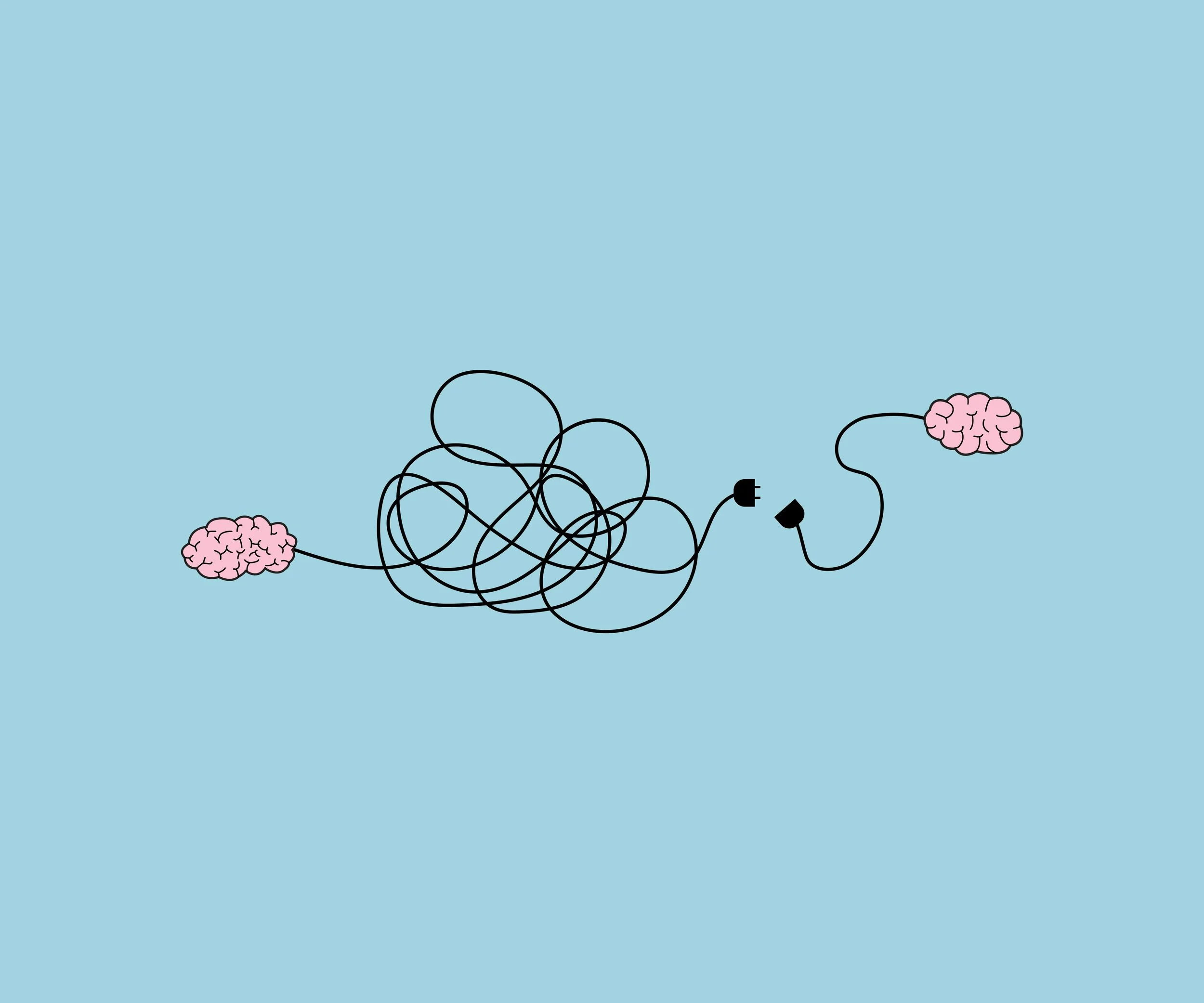
The Missing Link Between Hormone Health and Nervous System Healing
This is why treating hormones alone is often insufficient, and why treating only the nervous system often hits a ceiling. The two systems are not separate problems. They are one problem expressed through two different lenses.
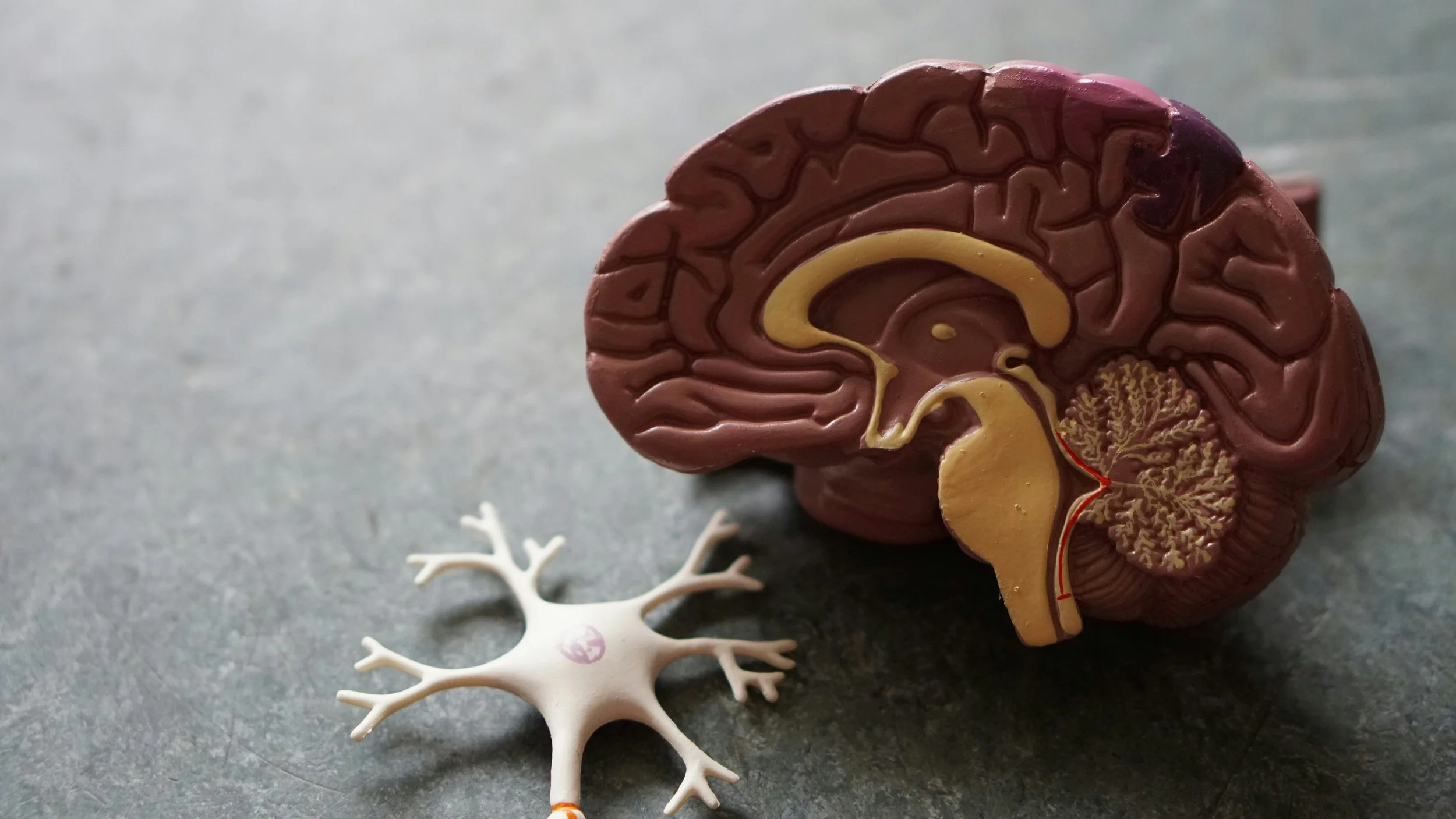
The HPA Axis Explained: Why Chronic Stress Isn't in Your Head
If you've ever been told to reduce your stress and felt frustrated because you didn't know how to actually do that, you're not missing something obvious. You're up against a physiological loop that doesn't respond to willpower or positive thinking.

What Is 9D Breathwork? A Nurse Practitioner Explains the Science
This isn't metaphor. It's measurable. Research has documented improvements in heart rate variability, reductions in cortisol, and decreases in blood pressure in response to intentional breathwork practices. The body responds because it's receiving a language it already understands.
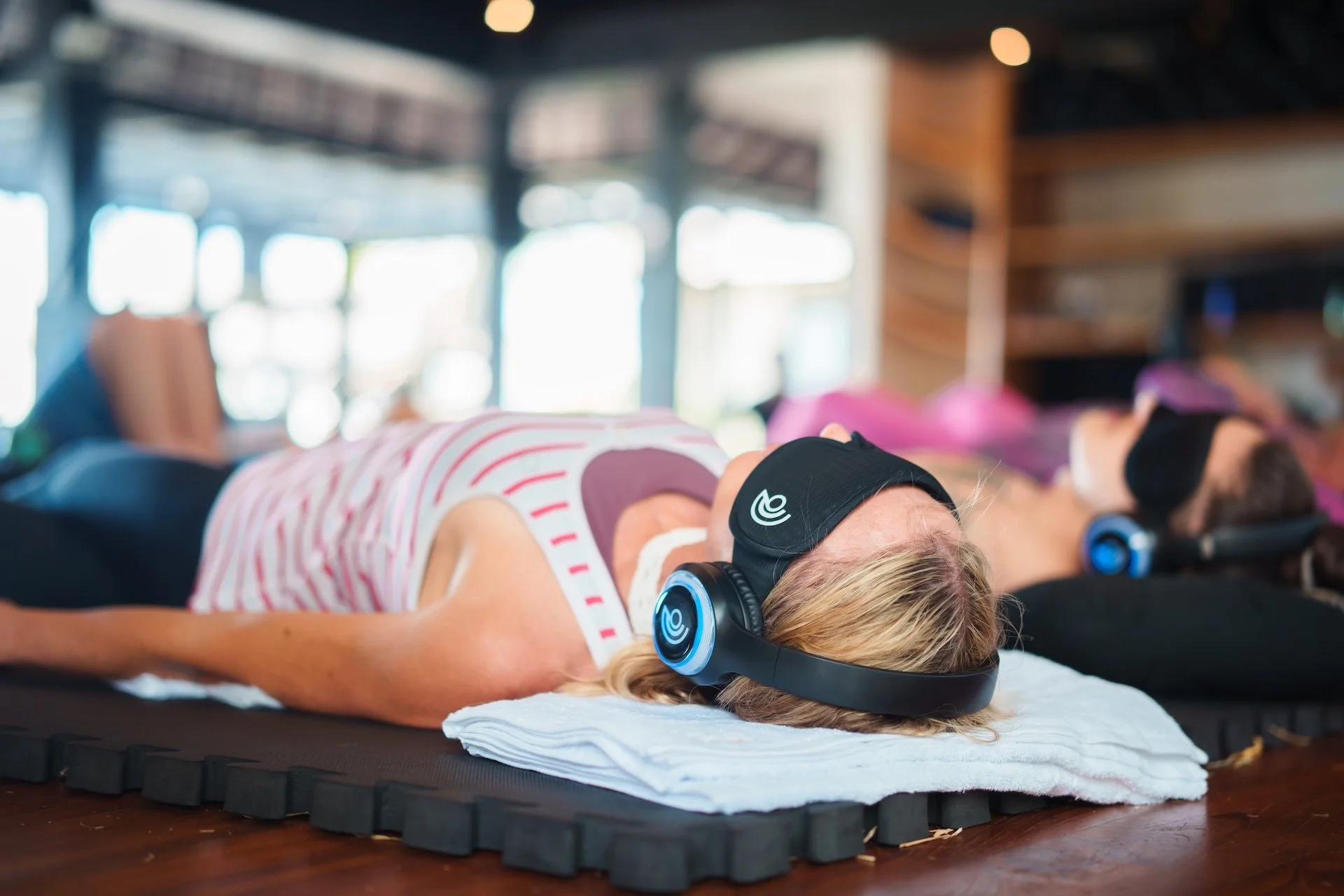
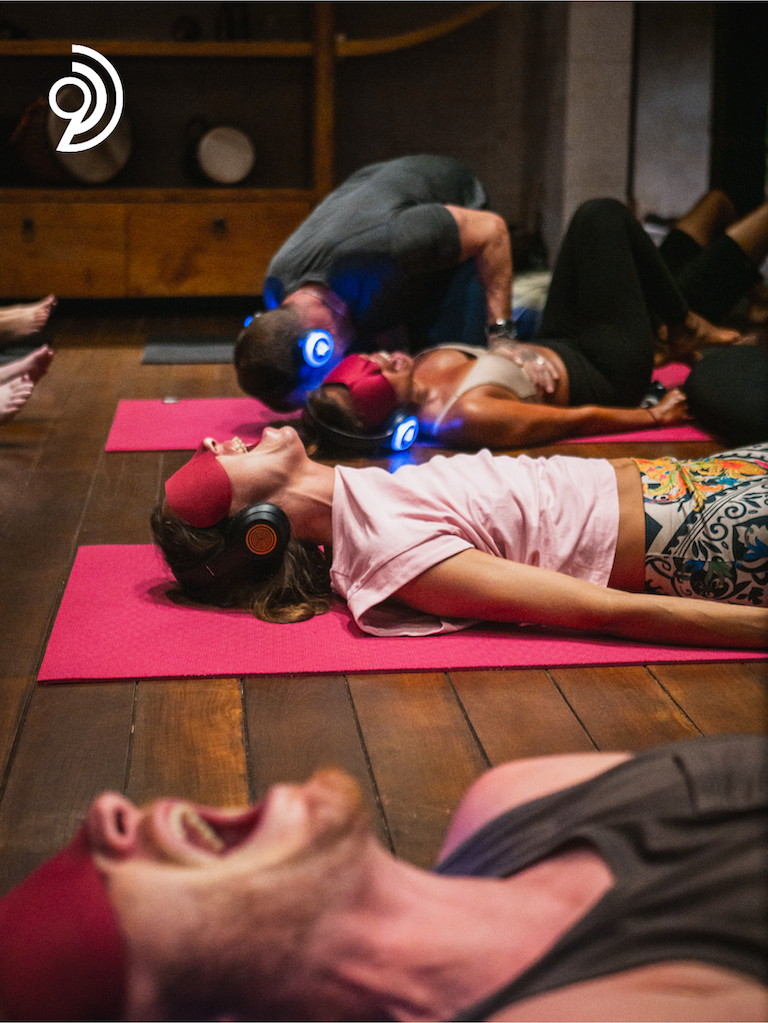
What to Expect in Your First 9D Breathwork Session
It is not meditation — you are actively breathing, not passively observing your thoughts. It is not therapy — though it may surface things that benefit from therapeutic support afterward. If significant material arises, working with a therapist alongside breathwork practice can be deeply valuable.
Your Body Keeps the Score: What Stored Trauma Actually Looks Like
Insight doesn't always translate into physiological change. Understanding why you feel the way you do is different from your nervous system finally, genuinely feeling safe.